
Buying Used Pallet Racking in Montreal: A Complete Inspection & Safety Checklist
Thinking about used pallet racking for your Montreal warehouse? Here's how to inspect it for safety, what to ask sellers, and when used makes sense
USED RACKING
3 min read
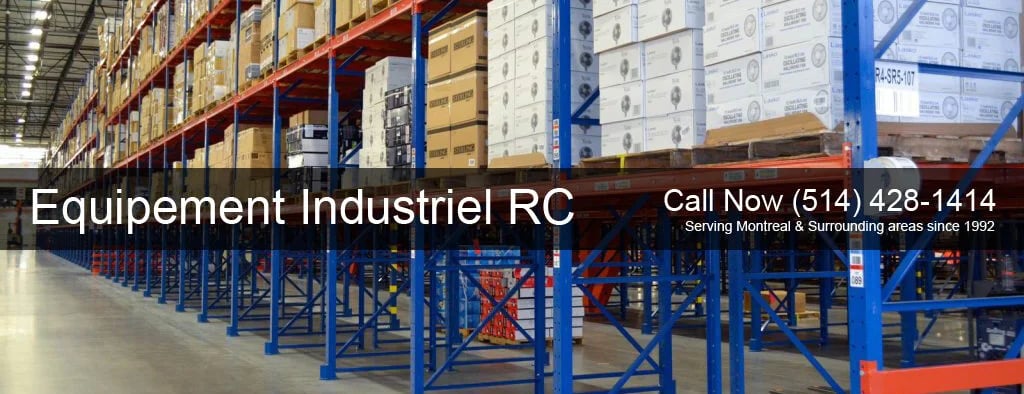
For a lot of warehouses, used pallet racking is one of the easiest ways to add storage capacity without the lead times and cost of buying new. The savings can be significant — but pallet racking is a structural, load-bearing system, and not every used rack on the market is worth bringing into your building. Here's what to actually check before you buy.
Why Businesses Choose Used Racking
Cost is the obvious reason — used pallet racking typically runs well below the price of new systems, and that gap widens further when buying in volume. But cost isn't the only advantage:
Faster availability. New racking often has to be manufactured to order; used systems are frequently in stock and ready to install right away.
Good for smaller or overflow projects. Adding a few bays to an existing layout, setting up seasonal storage, or outfitting a smaller space rarely justifies the cost and lead time of a full new order.
More sustainable. Reusing structurally sound racking reduces manufacturing demand and keeps usable steel out of scrap yards.
When New Racking Makes More Sense
Used isn't always the right call. Consider new racking if:
You need engineered drawings or a stamped capacity certification for permitting
Your layout is highly custom and needs guaranteed component compatibility
You're storing high-value or safety-sensitive inventory where any uncertainty about load capacity is a dealbreaker
Long-term warranty coverage matters more to you than upfront savings
For most other situations — general pallet storage, warehouse expansion, or replacing an aging system — used racking is worth serious consideration.
What to Inspect Before You Buy
Pallet racking holds significant weight over the heads of your staff. A good deal on paper isn't a good deal if the racking isn't structurally sound. Before purchasing, check for:
Frame and upright condition. Look for bent, dented, or twisted uprights, especially near the base. Even minor deformation can significantly reduce load capacity.
Rust and corrosion. Light surface rust on used steel is normal, but flaking rust, pitting, or corrosion at welds and connection points is a red flag.
Footplates and base connections. Every upright should have an intact footplate. Damaged or missing footplates compromise the entire frame's stability.
Beam connectors and safety clips. Missing or damaged clips are one of the most common issues with used racking, and they're a genuine safety hazard — a beam without a properly locked clip can dislodge under load.
Manufacturer and model identification. Look for a stamped model number or manufacturer tag on the uprights or beams. This tells you the rated capacity when the racking was new, and confirms whether replacement parts are still available if you need to expand the system later.
Compatibility with your existing racking. If you're adding to a system you already have, confirm the used racking is dimensionally and structurally compatible — mismatched components can create serious safety issues even if each piece looks fine individually.
Questions to Ask Before You Commit
A reputable dealer should be able to answer all of the following without hesitation:
What is the manufacturer, and can you confirm the load capacity?
Has the racking been inspected for damage, and can I see photos or video of its current condition?
Are replacement parts available if I need to expand this system later?
What does delivery and installation include?
Do you offer a warranty or return option if the racking doesn't fit or isn't compatible?
If a seller can't answer basic questions about capacity, condition, or compatibility, that's usually a sign to keep looking rather than assume the best.
Common Types of Pallet Racking Available Used
Selective pallet racking — the most common style, giving forklift access to every pallet position directly. Good for warehouses that need to access varied inventory regularly.
Cantilever racking — designed for long or bulky items like lumber, pipe, or steel stock that don't fit standard pallet positions.
Drive-in racking — higher-density storage where forklifts drive directly into the rack lane, ideal for large quantities of the same product.
Matching the right racking style to how your warehouse actually operates matters more than simply buying the cheapest option available.
Buying Used Racking in Montreal
Since 1992, we've supplied new and used steel shelving, pallet racking, mezzanines, and storage lockers throughout Montreal, St. Laurent, West Island, and Dorval. Every piece of used racking we sell is inspected before it leaves our yard, and we handle full delivery and installation — including removal of your old system, with the option to sell it back to us if it qualifies.
If you're not sure whether used or new racking is the right call for your space, browse our racking products or get in touch for a straightforward assessment of what will actually work for your warehouse and budget.
We also buy used industrial equipment — if you're upgrading your own system and have racking, shelving, or mezzanines to sell, we pay top dollar for quality used equipment.